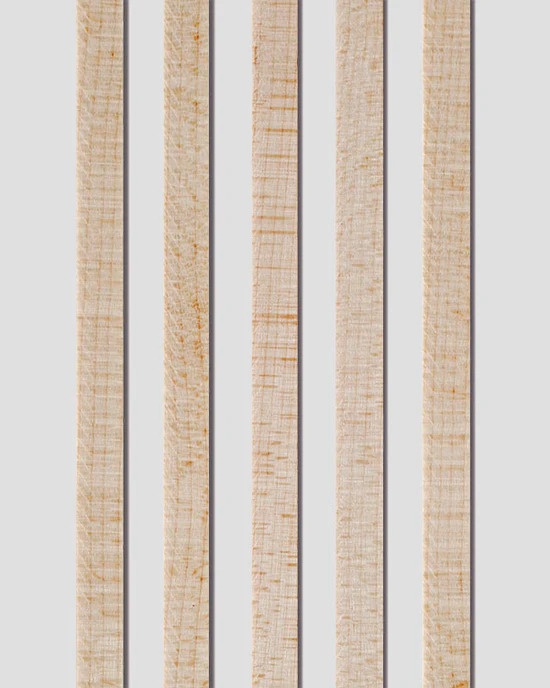
Every finely built instrument reflects hundreds of small design decisions, and edge detailing is one of the most influential among them. Guitar binding serves as both a protective barrier and a visual frame, sealing the body joints while defining the guitar’s outline. Though often overlooked by casual players, experienced musicians and builders understand how this feature contributes to longevity, comfort, and visual balance.
Traditional builders frequently favor rosewood binding when aiming for a warm, classic appearance. Its natural grain blends smoothly with darker tonewoods, creating a seamless transition between body components. Beyond appearance, this material is valued for its workability and stability, making it suitable for instruments designed to age gracefully over time.
In contrast, ebony binding brings a sharper, more modern identity to an instrument. Its deep tone creates a crisp border that highlights the guitar’s shape without unnecessary ornamentation. Builders often choose this option for precision-focused designs where clean lines and durability are essential, particularly on professional-grade instruments.
For players drawn to organic beauty, koa binding introduces subtle movement and color variation along the guitar’s edges. Each piece carries natural character, giving the instrument a distinct personality. This material is often associated with custom builds where individuality and craftsmanship are prioritized over uniform production.
A more restrained option, plain koa binding offers warmth without dramatic visual contrast. Its simplicity allows other design elements to take center stage while still maintaining an elegant finish. This approach is popular among builders who favor understated aesthetics and tonal clarity.
Ultimately, binding selection reflects both artistic intent and functional goals. When chosen thoughtfully, these materials elevate an instrument beyond sound alone, reinforcing its identity and ensuring it remains visually compelling for decades.



 Divorce Lawyer Fairfax VA
 child support lawyer charlottesville
 D1T | Da’ #1 Trend
 Construction Training Courses